


Boiler & Cooling Water Engineering
Thermal Water Engineering
Boiler and cooling water systems operate under continuous thermal stress, fluctuating production loads, and variable feedwater chemistry. Without disciplined control, scaling, corrosion, fouling, and microbiological activity rapidly degrade heat transfer surfaces, increase fuel consumption, and shorten equipment life.
Protecting Energy Assets.Preserving Heat Transfer.Controlling Operating Cost.
With over two decades of industrial field deployment across manufacturing, power, refining, and heavy processing sectors, PWT International designs and implements structured thermal water programs engineered to:
• Protect heat transfer efficiency
• Preserve metallurgical integrity
• Stabilize system chemistry
• Optimize fuel consumption
• Reduce unplanned shutdowns
• Extend asset service life
Our approach integrates chemistry, system dynamics, and operational realities — not isolated laboratory parameters.
Treatment Strategy Framework
Every program begins with engineering evaluation — not chemical dosing.
Our structured assessment includes:
• Feedwater and make-up water chemistry profiling
• Cycles of concentration modeling
• Langelier and scaling index interpretation
• Metallurgical compatibility assessment
• Corrosion risk mapping (carbon steel, copper alloys, mixed metallurgy)
• Thermal load variability analysis
• Blowdown optimization modeling
• Microbiological risk assessment in cooling circuits
Treatment decisions are aligned with real operating conditions — steam demand variability, high TDS environments, desert cooling stress, and elevated temperature exposure typical of regional industrial systems.
We design programs around performance stability, not product volume.
Core Boiler Treatment Programs
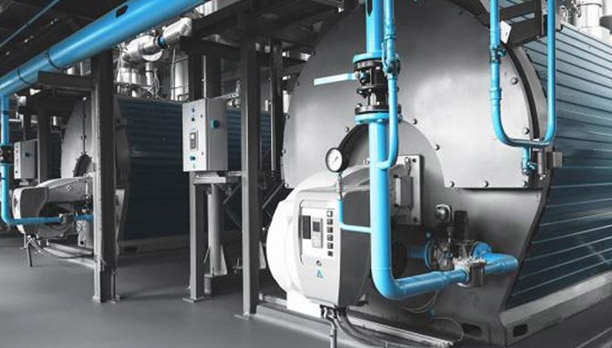
Our boiler water programs are engineered for low-, medium-, and high-pressure systems and may include:
• Phosphonate and polymer-based scale inhibition systems
• Oxygen scavenging programs (including low-impact conductivity formulations)
• Internal corrosion inhibition chemistry
• Alkalinity and pH control optimization
• Sludge conditioning and deposit dispersion
• Condensate line protection
Programs are structured to maintain:
• Controlled conductivity
• Stable alkalinity
• Reduced corrosion rates (mpy monitoring where applicable)
• Minimal chemical overfeed
• Efficient blowdown management
The objective is stable steam generation with predictable chemistry and reduced fuel penalty.
Cooling Water Engineering Programs
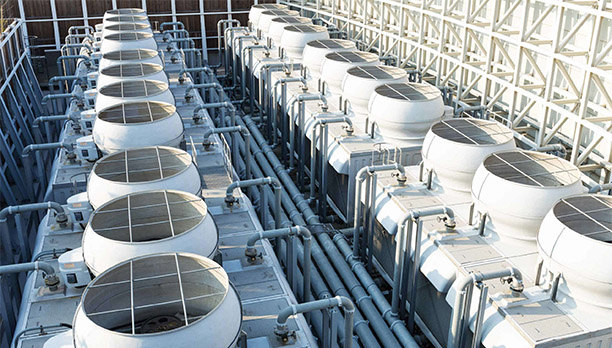
Cooling circuits require simultaneous control of scaling, corrosion, fouling, and microbiological growth.
Our cooling water programs may include:
• Saturation-index-based scale control
• Corrosion inhibitors tailored to metallurgy
• Dispersant and deposit control chemistry
• Oxidizing and non-oxidizing biocide programs
• Biofilm penetration and system cleanliness management
• Cycles-of-concentration optimization
Programs are supported by:
• Corrosion coupon monitoring
• Heat exchanger fouling evaluation
• Conductivity and TDS benchmarking
• Microbiological trend analysis
The objective is sustained heat rejection efficiency with minimized water and energy loss.
Energy & Performance Optimization
Thermal efficiency is directly linked to chemical discipline.
PWT supports performance optimization through:
• Dosing strategy engineering and feed calibration
• Blowdown reduction modeling
• Heat transfer surface performance assessment
• Fuel-to-steam efficiency alignment
• Fouling factor evaluation
• Chemical consumption optimization
• On-site system balancing
Even minor scale deposition can significantly reduce heat transfer efficiency and increase fuel usage. Our programs are designed to prevent that loss before it becomes measurable.
Field Deployment & Technical Oversight
Our engagement extends beyond product supply.
Deployment includes:
• On-site system audit and evaluation
• Baseline water analysis and documentation
• Program commissioning and feed system calibration
• Structured technical reporting
• Laboratory support and analytical validation
• Corrosion monitoring implementation
• Ongoing system performance review
• Corrective program adjustments as operational conditions evolve
Engagement continues until the system demonstrates stable thermal balance, controlled chemistry, and predictable performance.
Application Scope
Our boiler and cooling water engineering programs support:
• Industrial manufacturing facilities
• Power generation plants
• Refineries and petrochemical processing
• Food and beverage operations
• Commercial HVAC systems
• District cooling infrastructure
• Heavy industrial complexes operating under high TDS conditions
Our Engineering Commitment
Thermal systems demand chemical precision, operational discipline, and continuous performance awareness.
For over 20 years, PWT International has supported industrial clients across challenging water environments — delivering structured treatment programs that protect energy assets and stabilize operational cost.
We do not supply chemicals in isolation.
We engineer system stability.
This is thermal water engineering designed to preserve energy efficiency, protect metallurgy, and sustain industrial performance under demanding conditions.
Request a Thermal System Assessment
If your boiler or cooling system is experiencing:
• Increased fuel consumption
• Scaling or heat transfer loss
• Corrosion concerns
• Microbiological instability
• Uncontrolled blowdown
• Rising chemical consumption
Our engineering team can conduct a structured evaluation and recommend a performance-focused program.
Request an On-Site Assessment
Speak with a Thermal Systems Engineer


